
ORCHIDBIOM
Relation of plant-pollinator interactions and flower-associated microbiome community in melittophilous and ornithophilous orchids

Research project funded by the National Science Centre (Poland) in SONATA 19 programme
The Beneficiary: University of Gdańsk
Principal investigator: Monika M. Lipińska, PhD
The Mysterious World of Orchid Pollination – The Role of the Floral Microbiome
For a long time, plants were perceived as independent organisms, functioning separately from other life forms. However, modern ecology and plant biology reveal that plants are intricately connected with other organisms, such as fungi, bacteria, and insects, through networks of interactions. Microorganisms can influence plant physiology, development, ecology, and distribution. Even in the context of pollination, increasing attention is being given to the floral microbiome - the community of bacteria and fungi inhabiting flowers.
Until recently, pollination was understood as a direct interaction between plants and their pollinators. Today, it is clear that this process is far more complex and involves additional organisms. The floral microbiome can modify the attractiveness of flowers to pollinators by altering their scent, nectar composition, or even the appearance of floral structures.
Orchids have fascinated scientists and collectors for centuries. Despite extensive research on their taxonomy and ecology, relatively little is known about their pollination, especially in tropical species. As a result, this incredibly diverse plant group continues to reveal surprising discoveries, and the unexplored relationships between the microbiome and pollination may shed new light on these processes. One particularly intriguing pollination syndrome is ornithophily—pollination by birds. This mechanism has evolved multiple times in different plant groups and plays a crucial role in mountain ecosystems, where harsh climatic conditions limit insect activity. Flowers pollinated by birds typically exhibit red or orange coloration, a bell-shaped structure, and large quantities of sucrose-rich nectar. They often lack scent and nectar guides, which are characteristic of insect-pollinated flowers.
Current research suggests that bird pollination evolved from bee pollination, but the mechanisms behind this transition remain poorly understood. Therefore, within our project, we aim to investigate the factors that may have influenced this shift, with a particular focus on the role of microorganisms inhabiting flowers. There is evidence that microbial metabolites may affect the signaling of rewards offered to pollinators.
The main objective of our research is to compare the floral microbiome of orchids pollinated by bees and birds and determine whether microorganisms can modify the chemical composition of floral scent and nectar. We also aim to test the hypothesis that swapping microbiomes between these plant groups could influence the types of pollinators visiting them. Our key research questions are:
- Does the composition of the floral microbiome differ between orchids pollinated by bees and birds, and if so, in what ways?
- Does altering the microbiome influence the chemical composition of floral attractants, such as scent and nectar?
- Will transferring the microbiome from bird-pollinated flowers to bee-pollinated flowers (and vice versa) result in changes in the groups of visiting pollinators?
The study will take place in Costa Rica, a country with an exceptionally rich orchid flora. We will focus on ten species from the well-studied subtribe Maxillariinae Benth. Our project will involve both fieldwork and laboratory analyses. In the field, we will collect plant material, sample floral scent, nectar, and microbiome, and conduct observations of pollinators and their behavior in response to microbiome alterations. In the laboratory, we will analyze the floral microstructure using scanning and transmission electron microscopy and histochemical staining, identify the chemical composition of nectar and scent through gas chromatography-mass spectrometry, and conduct microbiome analysis using metabarcoding techniques.
We anticipate that the results of this study will enhance our understanding of the evolutionary mechanisms shaping pollination systems in Neotropical orchids and contribute to the discovery of novel factors influencing these processes. The data obtained may also have practical applications in the conservation of these remarkable plants and their ecosystems, as well as expand our knowledge of orchid functioning in their natural environment.
Team
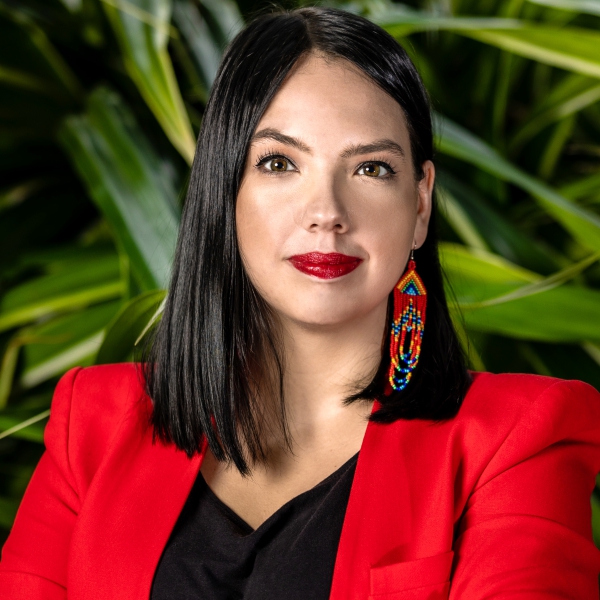
Dr. Monika M. Lipinska specializes in the biology, pollination ecology, and taxonomy of tropical orchids, with particular emphasis on New World species. Her research includes field observations of pollination and analysis of floral attractants that lure pollinators using electron microscopy, histochemical staining, and chemical analysis.
Julita Minasiewicz's research interests span a vast field of orchid studies, encompassing their biology, population genetics, mycorrhizal interactions, and conservation. She is particularly interested in the role of fungi in shaping trophic evolution in orchids and in fungal-orchid interactions at the molecular level, utilizing omics techniques.
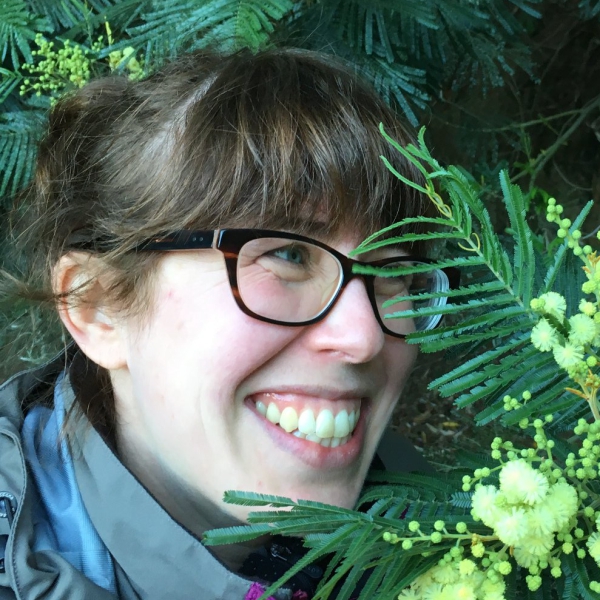
Aleksandra Naczk's research interests focus on population genetics, phylogeography, and the conservation genetics of endangered species, utilizing both morphological and molecular methods, including nuclear and chloroplast markers. She applies statistical and bioinformatics approaches to process and analyze the results obtained. Her current research primarily investigates the Dactylorhiza incarnata/maculata at different levels of its organization.
Małgorzata Kozieradzka-Kiszkurno's research focuses on the biology of sexual reproduction in angiosperms, including the development, ultrastructure, and cytochemistry of the embryo sac, embryo, and endosperm. She also investigates the floral secretory structures in Orchidaceae.

Marcin Jąkalski's research focuses on applying bioinformatics methods to analyze various types of biological data from both model and non-model organisms. He utilizes modern NGS-driven techniques to investigate molecular mechanisms underlying gene expression regulation, the etiology of diseases, and various metabolic processes.

Robert R. Junker is an ecologist studying ecosystem responses to global change components. In observational and experimental studies in the field as well as in the lab he is examining how climate change, land-use change, and pollution impact the diversity and composition of plant, animal, and microbe communities and ecosystem functions. His results provide a valuable basis to predict future ecological shifts and to inform conservation decisions to better protect and manage ecosystems.

Stefan Dötterl's research focuses on the ecology and evolution of floral signals and plant-pollinator interactions. His main interests include identifying the floral signals used by insects to locate rewarding wild and crop plants, understanding mimicry systems in deceptive plants, and elucidating the role of floral signals in the evolution of angiosperms.

Adam Karremans is a Costa Rican and Dutch researcher working on the ecology, evolution, phylogenetics and systematics of the orchid family. His research mostly emphasizes the taxonomy of neotropical epiphytes, orchid diversity, and ecological interactions between plants and their pollinators and seed dispersers.
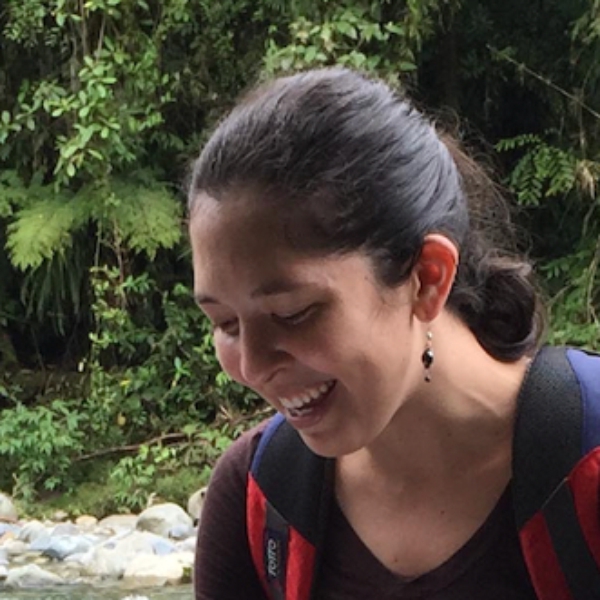
Melania Fernández is a professor and researcher at University of Costa Rica. Melania’s research focuses on the roles of mycorrhizal fungi in the coexistence and distribution of epiphytic orchids. She also applies morphological, ecological, molecular, and biogeographical tools to assess the identity, distribution, and phylogenetic relationships in members of Orchidaceae. Currently, Melania teaches courses on Scientific Drawing, Orchidology, Agriculture Botany and General Botany at the University of Costa Rica.
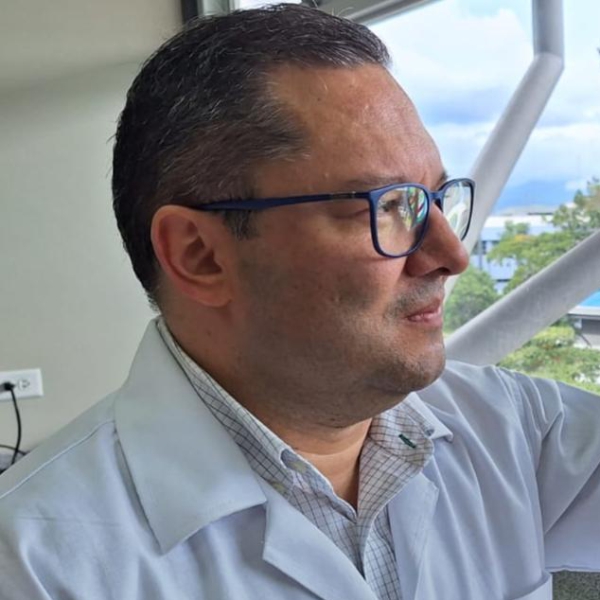
Keilor Rojas-Jiménez's research focuses on microbial ecology in tropical ecosystems, including the study of microbiomes and mycobiomes.
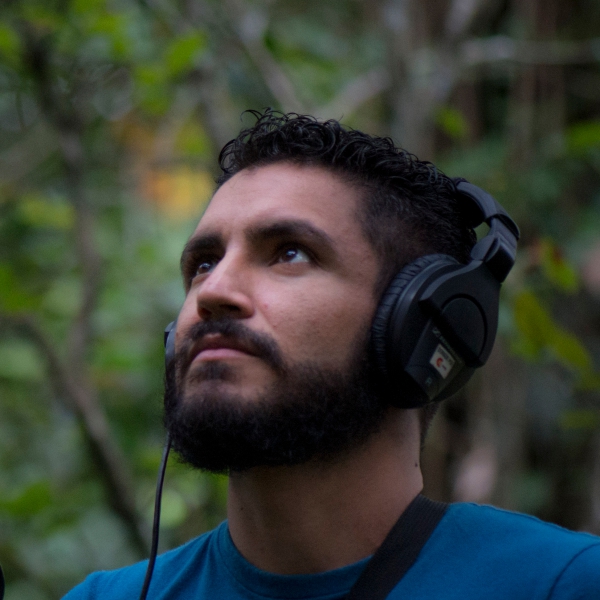
Luis Sandoval's research focuses on animal behavior, with a particular interest in communication, sexual selection, and adaptation to urban environments in Neotropical species. As a biologist working in the tropics, he emphasizes the integration of natural history with experimental approaches in his projects. He recognizes the limited availability of natural history information for many tropical species and highlights its importance as a foundation for hypothesis testing and conservation programs.